
For many South Africans, relying solely on municipal water is becoming increasingly risky. Ageing infrastructure, load shedding, recurring droughts and growing demand continue to place pressure on public water systems. As interruptions become more common, households and small businesses are turning to alternative water solutions to protect their daily operations and comfort.
One of the most effective ways to secure a consistent, independent water source is by utilising a borehole supply (where feasible), supported by borehole pumps. By accessing groundwater and pairing it with the right storage and pressure system, property owners can create a dependable water supply that works even when municipal services don’t.
Across the country, interest in borehole pumps in South Africa has grown as more people recognise the importance of water security at home and at work.
The Water Supply Challenge in South Africa
Frequent Municipal Water Interruptions
Water supply challenges affect both urban and rural areas. These issues are driven by a combination of factors, including:
- Load shedding that disrupts pumping stations and treatment plants
- Ageing infrastructure that leads to leaks, pipe bursts, and pressure losses
- Increasing demand in fast-growing cities and towns
- Drought conditions that reduce dam and surface water levels
For homeowners and small businesses, these challenges can mean anything from low pressure to full supply outages lasting days or even weeks. This uncertainty has pushed many people to invest in reliable water supply solutions that offer more control and peace of mind.
The Push Towards Self-Sufficiency
With municipal pressure unlikely to ease soon, South Africans are increasingly looking below the surface for stability. Boreholes tap into groundwater, a natural resource that is far less affected by short-term disruptions. When managed properly, groundwater is among the most sustainable and drought-resistant water sources available for residential and light commercial use.
What a Borehole Pump Actually Does
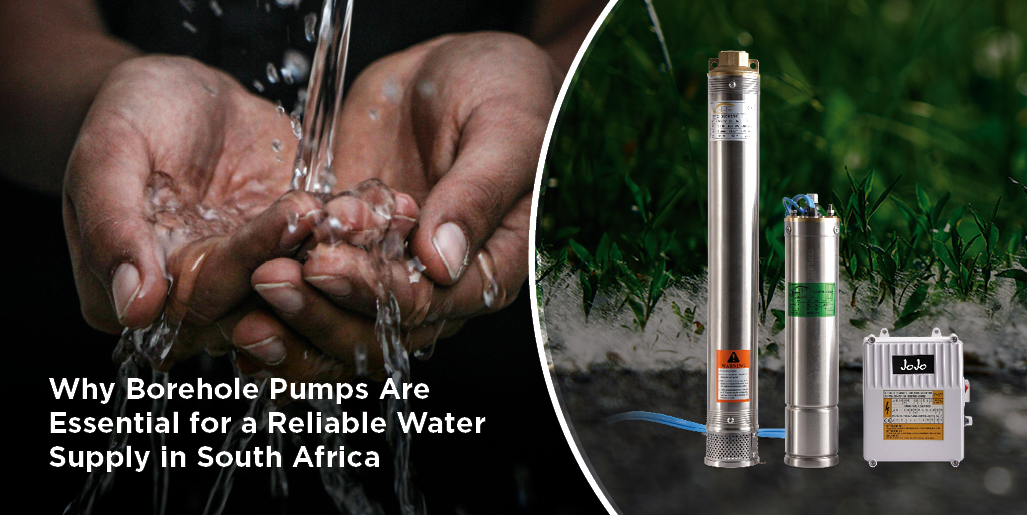
A borehole pump is the heart of any groundwater system. Installed inside the borehole, its main role is to extract water from underground aquifers and move it to the surface.
Importantly, borehole pumps are designed for extraction, not for supplying pressurised water directly into a building. Best practice is to first pump borehole water into a storage tank, and then use a separate pressure pump to supply water from the tank into your home or business.
This approach allows your system to:
- Protect the borehole pump from unnecessary strain
- Deliver stable, consistent pressure indoors
- Store water for use during load shedding or pump downtime
- Improve the system’s overall lifespan and efficiency
Modern household groundwater pumps are built for durability and efficiency, making them suitable for everything from domestic taps to irrigation and small business operations.
Why Borehole Pumps Are Essential for Reliable Water Supply
Water security during outages
When municipal supply is interrupted due to maintenance, burst pipes, or power cuts, properties with borehole systems continue to operate. For families, this means uninterrupted access to washing, cooking and sanitation. For small businesses, it prevents downtime, lost revenue and customer disruption, strengthening small business water security.
Long-term cost savings
Although installing a borehole system involves upfront costs, the long-term financial benefits are significant. Groundwater itself is free, and reducing reliance on municipal water lowers monthly bills. Over time, many property owners recover their investment while gaining independence from rising tariffs.
A resilient solution for drought-prone regions
South Africa’s climate is characterised by cyclical dry periods. While dams and surface water are vulnerable during droughts, groundwater remains far more stable when responsibly managed. Boreholes, therefore, form part of effective drought-resistant water systems that continue delivering even when surface supplies are under strain.
Supporting homes and small businesses
Borehole systems are suitable for a wide range of users, including:
- Residential households
- Guesthouses and bed-and-breakfasts
- Small farms and gardens
- Workshops and light industrial spaces
- Home-based businesses
With the right home borehole pump installation, water supports hygiene, comfort, productivity and operational continuity across all these environments.
Choosing the Right Borehole Pump
Knowing how to choose a borehole pump ensures reliable performance and long-term efficiency. Key considerations include:
- Borehole depth and casing diameter
- Water yield and required flow rate
- Daily demand for household or business use
- Power supply options, including solar compatibility
Selecting a high-quality pump suited to your conditions reduces the risk of breakdowns and improves energy efficiency, protecting your investment for years to come.
Strengthening Your System with Water Storage
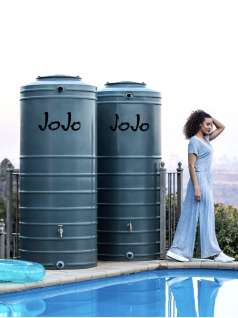
A complete system doesn’t stop at the borehole pump. Pairing your pump with a JoJo water storage tank and a pressure pump significantly improves reliability and usability.
Storage tanks help to:
- Hold water during low-demand periods
- Supply water during shortages
- Balance flow and pressure
- Reduce pump cycling to extend pump life
Adding filtration ensures borehole water is suitable for everyday use and, when correctly treated, safe for drinking and cooking.
This setup delivers one of the most practical and dependable benefits of borehole water that SA homeowners and businesses can rely on.
Understanding the Risks of Borehole Water Supply
While borehole systems offer strong long-term benefits, there are important considerations to keep in mind before investing:
Unpredictable drilling costs
- Geological conditions vary and drilling depth cannot always be confirmed in advance.
- Deeper drilling may increase overall installation costs.
Water yield is not guaranteed
- Not all boreholes produce sufficient water for household or business demand.
- Yield depends on local aquifer conditions and must be professionally tested.
Water quality can vary
- Groundwater composition differs by region.
- Water should be tested against SANS 241-1: Drinking Water standards before consumption.
- Filtration or treatment systems may be required to ensure safety.
Understanding these factors allows homeowners and small businesses to plan responsibly, manage risk and build a reliable, compliant borehole system suited to their needs.
Conclusion
As water insecurity continues across South Africa, borehole pumps provide a reliable, sustainable and cost-effective way to protect your property’s water supply. By accessing groundwater, storing it safely and supplying it through a pressure system, homes and small businesses gain independence from municipal interruptions and rising tariffs.
For dependable performance built for local conditions, explore JoJo’s range of borehole pumps.