
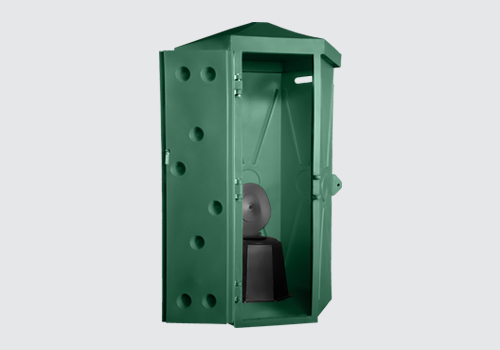
A pit toilet includes a pedestal and toilet hut positioned over an underground pit, with a small opening in the floor that allows waste to fall directly into the pit. It provides a simple, low-cost sanitation solution that requires no flushing, plumbing, or water supply, making it ideal for rural areas, remote sites, and locations without access to sewage systems or running water.
Our range includes three durable pit toilet pedestal options made from high-quality LLDPE, so they’re strong, easy to clean and low maintenance. Designed for dry sanitation systems, they’re a practical choice for pit toilets in South Africa, offering a sturdy and reliable seating solution for traditional pit toilet setups.
Location
Place the pit toilet away from the main dwelling and from community water sources to help prevent contamination of the water supply.
Size
The required depth and width of the pit depend on how many people will use the toilet and how frequently. As a guideline, dig a pit at least 3 m deep and 1 m wide.
Important Note
As the pit fills with sewage, bacteria naturally break it down into effluent. If the pit fills too quickly, this process cannot occur effectively.
The slab or floor must be strong enough to span the full width of the pit without collapsing. For safety, ensure that the opening in the slab is no larger than 25 cm to prevent users from accidentally falling in.
A toilet hut is essential for covering the pit toilet, providing privacy, security and protection from the elements. Our toilet hut is designed to be UV-resistant, durable and long-lasting, ensuring reliable shelter and helping to extend the lifespan of the entire installation.
Regular cleaning helps maintain hygiene and prevents odours. Use a mild anti-bacterial cleaner to wipe down the pedestal and the inside of the hut. This reduces bacterial build-up and keeps the toilet safe and pleasant to use.
Tip: Avoid harsh chemicals that may interfere with natural decomposition inside the pit.
Periodically inspect the slab, hut and pedestal for cracks, loose fittings or signs of damage—especially in high-use areas. Early repairs help ensure safety and extend the lifespan of the installation.
When the waste level reaches within 0.5 metres of the top, the pit is considered full and should no longer be used. At this point:
By completing this form your are signing up to receive our emails and can unsubscribe at any time.